A flat iron is one of those tools where price differences can feel absurd — a $20 straightener and a $250 one both technically make hair straight, so what’s actually different? The honest answer is heat consistency, plate quality, and how much damage accumulates over months of regular use. Here’s a real comparison of what you get at each price tier.
What Actually Changes as Price Goes Up
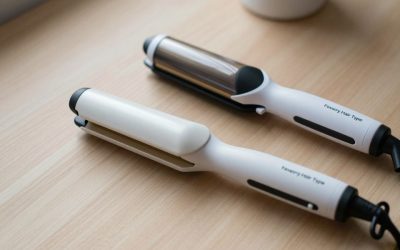
Budget flat irons typically use ceramic-coated plates that heat unevenly and lose temperature with each pass, meaning you often need multiple passes over the same section, which adds up to more heat damage over time. Premium flat irons use solid ceramic, titanium, or tourmaline plates with more precise internal thermostats, so the plate maintains a steady temperature pass after pass, requiring fewer total passes and theoretically less cumulative damage. Premium irons also tend to have finer temperature control, smarter auto-shutoff features, and slimmer plate edges for also curling hair with the same tool.
Best Budget Flat Irons
1. Remington Pro 1″ Flat Iron with Silk Ceramic Technology
Remington’s Pro line is one of the most consistently available budget flat irons, using a silk-infused ceramic coating aimed at reducing friction and frizz.
Pros: Very affordable price point; heats up quickly; silk ceramic coating reduces snagging.
Cons: Temperature consistency drops off on thicker hair sections compared to pricier irons.
2. Conair Double Ceramic Flat Iron
Conair’s double ceramic plates are a reliable entry-level option found in most drugstores, designed for straightforward daily styling without a big price commitment.
Pros: Budget-friendly; wide plate option for faster styling on long hair; simple one-dial temperature control.
Cons: Fewer precise heat settings than premium models, so it’s easy to overheat fine hair.
Best Premium Flat Irons
3. ghd Platinum+ Styler
ghd’s Platinum+ uses predictive heat technology that senses hair thickness and styling speed, automatically adjusting to style at a lower, less damaging temperature.
Pros: Smart heat adjustment reduces damage; consistent results in fewer passes; strong build quality.
Cons: Premium price tag well above drugstore alternatives.
4. T3 SinglePass Compact Flat Iron
T3’s SinglePass technology is built around the idea of styling hair thoroughly in a single pass, which is especially useful for travel-size tools with smaller plates.
Pros: True single-pass performance; dual worldwide voltage for travel; comes with a heat-resistant travel cap.
Cons: Smaller plate size means more sections needed on long or thick hair.
5. BaBylissPRO Nano Titanium Flat Iron
BaBylissPRO’s Nano Titanium line is a favorite among professional stylists for its fast, even heat distribution on thick or coarse hair types.
Pros: Handles thick, coarse hair well; fast, even heat-up; several plate-width options to choose from.
Cons: Higher heat ceiling means more caution needed on fine or damaged hair.
Protecting Your Hair No Matter Which Iron You Use
A heat protectant spray is non-negotiable regardless of price tier — it forms a barrier that reduces moisture loss and surface damage from direct heat contact, and skipping it is one of the fastest ways to undo the benefit of even a premium iron. Keep the temperature as low as your hair type allows (around 300-320°F for fine or color-treated hair, up to 400°F for very thick or coarse hair) rather than defaulting to the highest setting. Section hair into manageable pieces rather than grabbing large chunks, since thinner sections need fewer passes to fully straighten, which matters more for damage prevention than the iron’s price tag.
So, Is the Upgrade Worth It?
If you straighten your hair occasionally and have fine to medium hair, a budget iron does the job fine — just use a heat protectant and don’t go above 350°F. If you straighten daily, have thick or coarse hair that needs multiple passes on a cheaper iron, or you’re trying to minimize cumulative heat damage over years of use, a premium iron tends to pay for itself in fewer passes and less breakage. The splurge makes the most sense for frequent stylers, not occasional ones.
FAQ
Does a higher temperature setting always style hair faster?
Not necessarily — a lower, more evenly maintained temperature with a good plate often styles just as effectively with less damage than cranking a budget iron to its max heat.
How often should I replace a flat iron?
Most flat irons last two to five years with regular use; replace sooner if plates become scratched, sticky, or heat unevenly, since damaged plates snag and stress the hair shaft.
Is titanium better than ceramic?
Titanium heats faster and holds temperature more consistently, which suits thick or coarse hair, while ceramic heats more gently and is usually gentler for fine or damaged hair.
Can a cheap flat iron damage hair even with a heat protectant?
Yes — heat protectant reduces damage but doesn’t eliminate it, and uneven heating on budget plates can still cause hot spots that scorch strands even with product applied, which is the main reason frequent high-heat stylers eventually feel the difference in hair condition.
FAQ
So, Is the Upgrade Worth It?
Does a higher temperature setting always style hair faster?
How often should I replace a flat iron?
Is titanium better than ceramic?
Can a cheap flat iron damage hair even with a heat protectant?
More from Amazon
Programs that pair well with the guide above. Offers and eligibility are set by Amazon and may change.
Free shipping on eligible items, Prime Video and more. Eligible new members can start with a free trial.
Start a Prime free trialAudiobooks and podcasts to listen to on the go. Eligible new members can start with a free trial.
Try Audible freeAd-free music streaming. Eligible new subscribers can start with a free trial.
Try Music Unlimited freeA free business account with business pricing and bulk-buying tools for work, shop or home office.
Create a business accountAs an Amazon Associate we earn from qualifying purchases.
Write Your Review
No reviews yet. Be the first to share your experience!