Dry shampoo promises salon-fresh hair without water, but it’s not a replacement for an actual wash — it’s a stopgap, and understanding the difference matters more than people realize. Used correctly, dry shampoo extends a blowout and manages oily roots between washes. Used as a substitute for washing altogether, it can leave buildup that makes hair look and feel worse over time. Here’s an honest look at what each one actually does.
How Dry Shampoo Actually Works
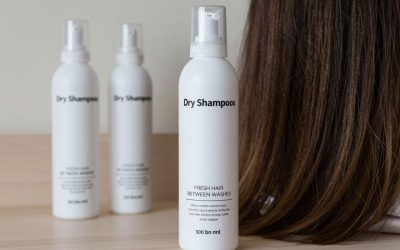
Dry shampoo isn’t cleaning hair in the way water and shampoo do — it’s typically a starch or alcohol-based powder that absorbs oil at the scalp and roots, giving hair a matte, “just washed” look and feel. It doesn’t remove sweat, product residue, or dead skin cells; it just soaks up the oil sitting on top of them. That’s an important distinction, because it means dry shampoo is managing a symptom (oily-looking roots) rather than solving the underlying buildup.
1. Batiste Dry Shampoo Original
The best-selling classic dry shampoo, with tens of thousands of five-star reviews praising the scent and oil absorption for extending time between washes.
Pros: Affordable, widely available, strong oil absorption, pleasant scent.
Cons: Can leave a visible powdery residue on dark hair if over-applied.
2. Not Your Mother’s Beach Babe Dry Shampoo
A coconut-scented dry shampoo praised for adding texture and a styled, second-day look in addition to absorbing oil.
Pros: Adds volume and texture, not just oil absorption; pleasant tropical scent.
Cons: Scent can be strong for those sensitive to fragrance.
What Washing Actually Does
An actual shampoo wash with water removes oil, sweat, styling product residue, and dead skin cells from the scalp — things dry shampoo simply can’t touch. Scalp health depends on this kind of periodic deep clean; skipping it for too long in favor of dry shampoo can lead to clogged follicles, irritation, and even hair thinning in some cases, since product buildup accumulates layer after layer.
So Which One Should You Use?
This isn’t really an either/or decision — it’s about using each tool for what it’s actually good at. Dry shampoo is the right call the morning after a workout when there’s no time to wash, or on day two or three of a blowout to stretch it further. Washing is the right call when scalp buildup, itchiness, or flattened roots signal that oil-absorption alone isn’t cutting it anymore.
Hair Type Matters
Fine, oily hair tends to need washing every one to two days regardless of dry shampoo use, since oil accumulates fast and dry shampoo can only mask it for so long. Thicker or coarser hair, especially curly or color-treated hair, often does better with fewer washes (every two to four days) because washing strips the natural oils that type of hair relies on for moisture — making dry shampoo a genuinely useful extender rather than just a quick fix.
Signs You’re Relying on Dry Shampoo Too Much
A tell-tale sign is hair that looks fine right after applying dry shampoo but feels waxy, heavy, or oddly textured by midday — that’s often buildup, not fresh oil. An itchy or flaky scalp that doesn’t improve with more dry shampoo (and sometimes gets worse) is another sign that an actual wash is overdue. If scalp acne or small bumps appear along the hairline, that’s frequently a buildup issue that only washing resolves.
A Practical Rule of Thumb
A reasonable approach for most hair types: wash every two to three days, and use dry shampoo on the one or two days in between to extend the style and manage shine at the roots — not as a replacement for washing day entirely. Treating dry shampoo as a tool for stretching washes, rather than avoiding them, gets the best of both: less daily styling effort and a scalp that stays genuinely clean.
Cost and Convenience Trade-Offs
Dry shampoo is cheaper and faster in the moment — a few seconds of spraying versus fifteen or twenty minutes of washing, drying, and styling — which is exactly why it’s so tempting to lean on it more than intended, especially on busy mornings. Over a full bottle’s lifespan, though, dry shampoo isn’t actually saving money if it’s being used daily instead of twice a week, since bottles that were meant to last a month get used up in half that time. Washing, by contrast, has a fixed cost per use but handles everything dry shampoo can’t, including the oil and buildup it only ever masks.
What About Color-Treated or Textured Hair?
Color-treated hair generally benefits from washing less often regardless of dry shampoo use, since frequent washing fades color faster by stripping the cuticle that holds pigment in place — making dry shampoo a genuinely useful tool for stretching washes to every three or four days without looking greasy in between. Textured and curly hair types often follow a similar pattern, since curly hair tends to be drier by nature and over-washing can leave it frizzy and brittle; a light dusting of dry shampoo at the roots lets these hair types go longer between full washes than straighter, finer hair typically can.
The Bottom Line
Dry shampoo and washing aren’t competitors — they solve different problems. Dry shampoo manages the appearance of oily roots between washes; washing removes the oil, sweat, and product buildup that dry shampoo can’t touch. Used together intentionally, they keep hair looking fresh without over-washing or under-cleaning either extreme.
FAQ
So Which One Should You Use?
What About Color-Treated or Textured Hair?
More from Amazon
Programs that pair well with the guide above. Offers and eligibility are set by Amazon and may change.
Free shipping on eligible items, Prime Video and more. Eligible new members can start with a free trial.
Start a Prime free trialAudiobooks and podcasts to listen to on the go. Eligible new members can start with a free trial.
Try Audible freeAd-free music streaming. Eligible new subscribers can start with a free trial.
Try Music Unlimited freeA free business account with business pricing and bulk-buying tools for work, shop or home office.
Create a business accountAs an Amazon Associate we earn from qualifying purchases.
Write Your Review
No reviews yet. Be the first to share your experience!