Key takeaways
- Pro: SPF 50 broad-spectrum protection
- Pro: Fragrance-free, dermatologist-recommended brand
- Pro: Blends in fast with minimal residue
- Con: Can pill slightly under heavy moisturizer
- Con: Pricier than drugstore chemical sunscreens
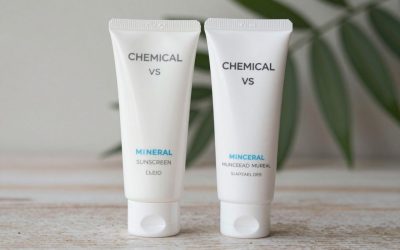
Mineral sunscreens use zinc oxide and titanium dioxide to physically reflect UV rays instead of absorbing them, which makes them a gentler choice for sensitive or acne-prone skin. The downside has always been a chalky white cast and a heavy feel — but newer micronized formulas have mostly solved that. Here are five mineral sunscreens that consistently show up on dermatologist and editor “best of” lists for daily face wear.
Top Picks
La Roche-Posay Anthelios Mineral Sunscreen SPF 50
A lightweight, non-greasy mineral sunscreen built for oily and combination skin, with a quick-absorbing texture that layers well under makeup.
- Pro: SPF 50 broad-spectrum protection
- Pro: Fragrance-free, dermatologist-recommended brand
- Pro: Blends in fast with minimal residue
- Con: Can pill slightly under heavy moisturizer
- Con: Pricier than drugstore chemical sunscreens
La Roche-Posay Anthelios Mineral Sunscreen SPF 50 on Amazon.
EltaMD UV Clear Broad-Spectrum SPF 46
A hybrid mineral-forward sunscreen with niacinamide, widely recommended by dermatologists for acne-prone and post-procedure skin.
- Pro: Contains niacinamide to calm redness
- Pro: Oil-free, non-comedogenic formula
- Pro: Trusted in-clinic brand
- Con: Higher price per ounce
- Con: Tinted version needed to fully offset cast on deeper skin tones
EltaMD UV Clear Broad-Spectrum SPF 46 on Amazon.
CeraVe Hydrating Mineral Sunscreen SPF 30 (Tinted)
A budget-friendly tinted mineral sunscreen with ceramides and hyaluronic acid, aimed at dry and normal skin types that want light coverage.
- Pro: Tint helps counter the white cast
- Pro: Ceramides support the skin barrier
- Pro: Affordable for daily reapplication
- Con: SPF 30 is lower than some alternatives
- Con: Tint range is limited for very deep skin tones
CeraVe Hydrating Mineral Sunscreen SPF 30 (Tinted) on Amazon.
Blue Lizard Sensitive Mineral Sunscreen SPF 50+
A 100% mineral formula marketed for sensitive skin and kids, with a long track record and strong Amazon review history.
- Pro: Free of fragrance, oxybenzone, and parabens
- Pro: Cap changes color in UV light as a reapplication reminder
- Pro: Water-resistant up to 80 minutes
- Con: Thicker texture than newer “invisible” mineral formulas
- Con: Can feel heavy under makeup
Blue Lizard Sensitive Mineral Sunscreen SPF 50+ on Amazon.
Cetaphil Sheer Mineral Sunscreen SPF 50
A sheer, fragrance-free mineral option from a long-trusted gentle-skincare brand, suited to sensitive and reactive skin.
- Pro: Gentle, minimal-ingredient formula
- Pro: Water-resistant for 40 minutes
- Pro: Easy to find at most drugstores
- Con: Sheer finish still needs a few extra seconds to rub in fully
- Con: Not tinted, so cast is more visible on deep skin tones
Cetaphil Sheer Mineral Sunscreen SPF 50 on Amazon.
Supergoop! Mineral Sheerscreen SPF 30
A sheer, lightweight mineral sunscreen built with SheerMatrix technology to cut down on the chalky cast typical of zinc formulas, and it doubles as a smooth primer under makeup.
- Pro: 100% non-nano zinc oxide
- Pro: Blends to a near-invisible finish on most skin tones
- Pro: Works well as a makeup primer, not just a standalone sunscreen
- Con: SPF 30 is lower than some other picks on this list
- Con: Not labeled water-resistant, so it needs reapplication after swimming or heavy sweating
Supergoop! Mineral Sheerscreen SPF 30 on Amazon.
Buying Tips
- Apply roughly a nickel-sized amount for the face alone, and reapply every 2 hours if you are outdoors.
- Mineral sunscreens sit on top of skin, so apply them last in your morning routine, before makeup.
- If white cast is a dealbreaker, look for a tinted mineral formula or one labeled “micronized” or “invisible.”
- SPF 30 blocks about 97% of UVB rays and SPF 50 blocks about 98% — reapplication matters more than chasing the highest number.
How to Choose a Mineral Sunscreen for Your Skin Type
Skin type should drive the decision more than brand reputation. Oily and acne-prone skin generally does better with a gel or fluid mineral formula (like the La Roche-Posay or EltaMD picks above), since heavier creams can feel occlusive. Dry skin benefits from a mineral sunscreen with added ceramides or hyaluronic acid, which is why the tinted CeraVe option works well as a two-in-one moisturizer. Sensitive or reactive skin should prioritize fragrance-free formulas with a short ingredient list, since mineral actives are already the gentlest UV filters available.
SPF level matters less than consistency and reapplication. SPF 30 and SPF 50 both offer strong protection when applied generously and topped up every two hours outdoors, so don’t assume a higher number lets you skip reapplication. If white cast is the main hesitation, a tinted mineral formula or one marketed as “sheer” or “invisible” will blend in far better on medium-to-deep skin tones than a traditional thick zinc paste.
FAQ
Is mineral sunscreen better than chemical sunscreen?
Neither is universally “better” — mineral sunscreens tend to be gentler for sensitive and acne-prone skin, while chemical sunscreens often feel lighter and absorb faster. Choosing between them usually comes down to skin type and texture preference.
Does mineral sunscreen expire?
Yes. Most sunscreens are good for about 2–3 years unopened, but check the batch code or expiration date printed on the tube, since efficacy drops once a product expires.
How much mineral sunscreen should I actually apply to my face?
Most dermatologists recommend about a nickel-to-quarter-sized amount (roughly 1/4 teaspoon) for the face and neck alone. Research consistently shows most people apply only a quarter to a half of that amount, which cuts the effective SPF significantly below what’s printed on the label.
Do I still need sunscreen indoors or on cloudy days?
Yes. UVA rays pass through clouds and window glass, and they’re the rays most responsible for premature aging and hyperpigmentation. Daily wear, even on overcast days or when working near a sunny window, is still worth the habit.
FAQ
Is mineral sunscreen better than chemical sunscreen?
Does mineral sunscreen expire?
How much mineral sunscreen should I actually apply to my face?
Do I still need sunscreen indoors or on cloudy days?
More from Amazon
Programs that pair well with the guide above. Offers and eligibility are set by Amazon and may change.
Free shipping on eligible items, Prime Video and more. Eligible new members can start with a free trial.
Start a Prime free trialAudiobooks and podcasts to listen to on the go. Eligible new members can start with a free trial.
Try Audible freeAd-free music streaming. Eligible new subscribers can start with a free trial.
Try Music Unlimited freeA free business account with business pricing and bulk-buying tools for work, shop or home office.
Create a business accountAs an Amazon Associate we earn from qualifying purchases.
Write Your Review
No reviews yet. Be the first to share your experience!