At-home beauty tools — derma rollers, tweezers, razors, facial cleansing brushes — all touch skin directly, which means they can just as easily spread bacteria as they can improve skin if they aren’t cleaned properly between uses. Unlike makeup brushes, many of these tools come into contact with broken skin or microneedles, which raises the stakes on proper sanitizing considerably.
Why Sanitizing Matters More for These Tools
A derma roller creates microscopic channels in the skin, and a razor can cause tiny nicks even when used carefully — both situations where bacteria on an unclean tool has a direct path into the skin. Unlike a brush that sits on the skin’s surface, these tools are designed to interact with skin at a level where contamination has real consequences, including breakouts, infection, or irritation.
The Gold Standard: 70% Isopropyl Alcohol
Across dermatology and skincare sources, 70% isopropyl alcohol is consistently recommended as the most effective and safe disinfectant for home beauty tools. The 70% concentration is actually preferred over higher concentrations like 90-99%, because it evaporates more slowly, giving it more contact time on the tool’s surface to actually kill bacteria.
1. Isopropyl Alcohol 70% Spray Bottle
A ready-to-use 70% isopropyl alcohol spray, the concentration most commonly recommended for disinfecting derma rollers, tweezers, and other direct-contact beauty tools.
Pros: Fast-drying, widely recommended concentration, works on most metal and plastic tools.
Cons: Should not be used on tools with certain adhesives or coatings — check manufacturer instructions.
Step-by-Step: Cleaning a Derma Roller
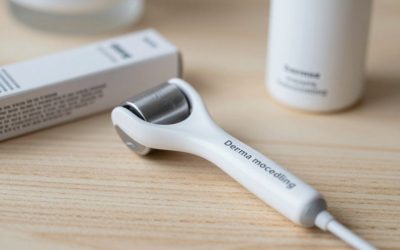
Rinse the roller under warm (not hot) running water immediately after use to remove visible residue, then submerge the roller head in 70% isopropyl alcohol for 5 to 15 minutes — most guidance lands around 10 minutes for full disinfection. After soaking, let it air dry completely, needle-side up, on a clean paper towel before storing it in a closed case. Household disinfectants like bleach-based cleaners should be avoided entirely, since they can leave residue that’s irritating or even toxic when it enters skin through micro-channels.
Cleaning Razors and Tweezers
Razors should be rinsed thoroughly after each use to remove skin cells and hair, then wiped or sprayed with isopropyl alcohol and allowed to air dry — moisture left on a blade both dulls it faster and creates a better environment for bacteria to grow. Tweezers used for brow shaping or ingrown hairs should get the same alcohol wipe-down before and after each use, since they frequently touch broken skin around hair follicles.
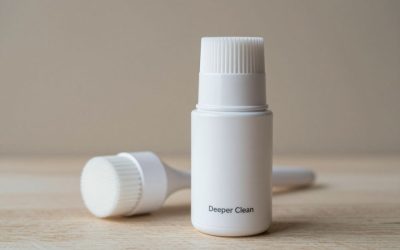
2. Facial Cleansing Brush Replacement Heads
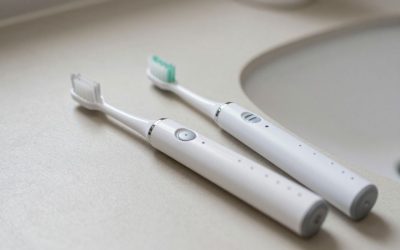
Replacement brush heads for facial cleansing devices, recommended for swapping out every three months since bristles harbor bacteria and lose effectiveness over time.
Pros: Restores full cleansing effectiveness; easy swap without replacing the whole device.
Cons: An added recurring cost on top of the device itself.
Facial Cleansing Brushes: Clean the Head, Replace It Too
Electric facial cleansing brush heads should be rinsed after every use and allowed to fully air dry before the next use, since they stay damp in a bathroom environment that’s prone to bacterial growth. Beyond daily rinsing, the brush head itself should be replaced roughly every three months — no amount of cleaning restores bristles that have become worn down and less effective at exfoliating.
A Simple Weekly Routine
Pick one day a week to do a deeper clean of every direct-contact tool in the bathroom: alcohol-soak the derma roller, alcohol-wipe razors and tweezers, and rinse the cleansing brush head thoroughly. Building this into an existing weekly habit (like a Sunday skincare reset) makes it far more likely to actually happen than relying on remembering case by case.
Storage Between Uses
Even a perfectly disinfected tool can pick up bacteria again if it’s tossed loose into a drawer or left sitting on a damp bathroom counter between uses. Storing derma rollers, tweezers, and razors in a closed case or dedicated pouch keeps them away from the humidity and surface contact that undoes a clean, and it’s a small habit that makes the actual cleaning step worth more. A bathroom cabinet, rather than an open shelf exposed to shower steam, is also a better long-term home for anything metal, since humidity accelerates rust on blades and roller pins alike.
Sharing Tools Is Never a Good Idea
Direct-contact tools like derma rollers, razors, and tweezers should never be shared between people, even within the same household, no matter how thoroughly they’re cleaned between uses. Alcohol disinfection reduces bacterial and viral load significantly, but it isn’t a guaranteed substitute for simply not sharing a tool that’s designed to come into contact with another person’s skin, blood, or broken skin barrier.
Signs a Tool Needs Replacing, Not Just Cleaning
A derma roller with bent, dull, or visibly rusted needles should be replaced immediately regardless of how recently it was cleaned — a damaged needle can cause more harm than benefit. Razors that pull or tug rather than glide smoothly have likely dulled past the point where cleaning helps. Treating cleaning and replacement as two separate maintenance habits, rather than assuming cleaning alone extends a tool’s life indefinitely, keeps both effectiveness and safety in check.
More from Amazon
Programs that pair well with the guide above. Offers and eligibility are set by Amazon and may change.
Free shipping on eligible items, Prime Video and more. Eligible new members can start with a free trial.
Start a Prime free trialAudiobooks and podcasts to listen to on the go. Eligible new members can start with a free trial.
Try Audible freeAd-free music streaming. Eligible new subscribers can start with a free trial.
Try Music Unlimited freeA free business account with business pricing and bulk-buying tools for work, shop or home office.
Create a business accountAs an Amazon Associate we earn from qualifying purchases.


Write Your Review
No reviews yet. Be the first to share your experience!